What is Baglat Farms ghee?
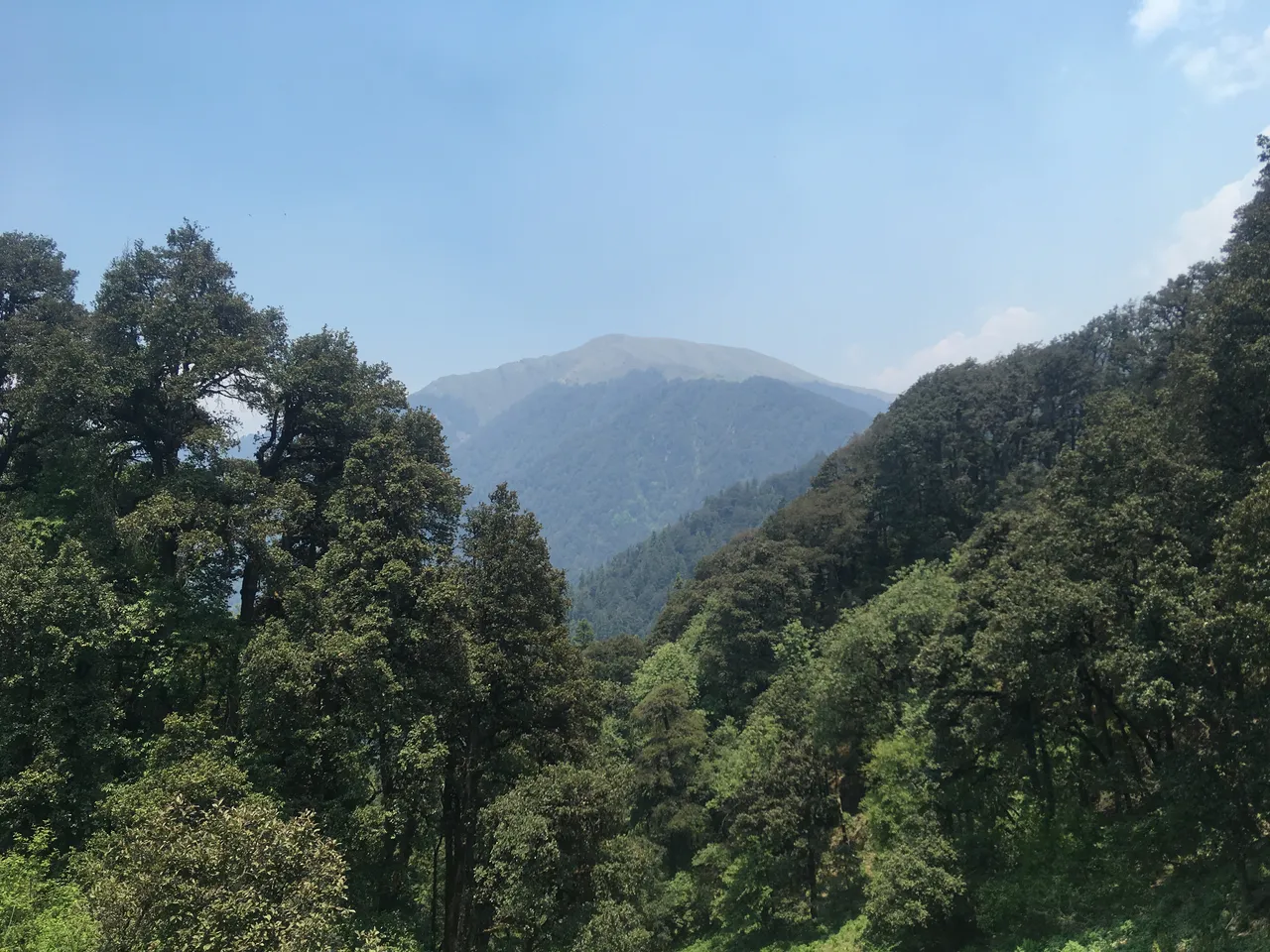
Baglat Farms makes authentic Himalayan cow ghee rooted in Rohru, Himachal Pradesh. It brings together milk sourced from Himalayan farms, cows nourished with grass and seasonal forage, the traditional Bilona method, and dairy knowledge carried through mountain communities.
For us, “Himalayan” is not simply a label or a landscape on a jar. It describes where our relationships, ingredients, and inspiration begin. Our aim is to offer one honest dairy ingredient, handled with care from the farm to the finished ghee.
Where the milk comes from
Our ghee begins with cow’s milk sourced from farms in the Himalayan region of Himachal Pradesh. Working close to the source helps keep the story of the milk connected to real farms, animals, seasons, and people.
Origin alone is not a guarantee of quality. Clean handling, traceability, animal care, and the freshness of the milk all matter. These are the practical standards behind our use of the word “Himalayan.”
The cows, grass, and seasonal forage
What a cow eats can influence measurable characteristics of her milk. Research comparing grazing, fresh-cut grass, and grass silage has found differences in milk fatty-acid and fat-soluble antioxidant profiles. That is why our quality story begins with cows nurtured with care and a diet centred on grass and locally available seasonal forage.
Grass-fed does not mean that every day or every farm is identical. Mountain weather, pasture growth, preserved forage, breed, and stage of lactation can all affect milk. We prefer an honest description of a living farm system over a promise of perfect uniformity.
What mountain altitude means
The farms of Himachal exist within a mountain environment shaped by elevation, cooler seasons, slopes, and changing pasture. These conditions influence how animals are cared for and what forage is available through the year.
Altitude by itself does not prove that one ghee is purer or healthier than another, and we do not use it as a medical claim. Its importance is in the place: the climate, plants, farming rhythms, and dairy heritage that surround the milk.
Our traditional Bilona process
We set the milk into curd and churn the curd with a bilona to separate butter from buttermilk. The butter is then clarified slowly so moisture is removed and the milk solids separate from the clear fat. Careful heat develops the familiar cooked, buttery, and nutty notes without scorching the solids.
Preparation matters, but it cannot replace good raw material. We see the method as a way to respect the milk: clean handling, careful curd setting and churning, small batches, controlled heat, and stopping the clarification at the right moment.
Colour, texture, and aroma
Natural ghee does not need to look identical in every season. Its colour may range from pale gold to a deeper yellow, influenced by factors including the cows’ feed and the time of year. Colour alone is not a reliable test of purity or nutritional quality.
At cooler temperatures, ghee may become firm or grainy; in warmth, it softens or melts. Both can be normal physical changes. Baglat Farms ghee is intended to have a clean, rich aroma with buttery and gently nutty notes. Aroma and texture are part of its character, but laboratory controls and transparent sourcing—not appearance alone—are what establish authenticity.
How to store your ghee
Keep the jar tightly closed in a cool, dry place away from direct sunlight and heat. Always use a clean, completely dry spoon, because introducing water or food particles can shorten its keeping quality.
Ghee generally does not need refrigeration when stored correctly, although a warm kitchen may keep it liquid. Follow the storage instructions and best-before date on your jar. If the aroma becomes unpleasant or you notice mould or other signs of spoilage, do not use it.
Research references
- The mode of grass supply to dairy cows impacts the fatty acid and antioxidant profile of milk. Foods (2020). View research (opens in a new tab)
- Evaluation of volatile compounds in different types of ghee using gas chromatography–mass spectrometry. Journal of Dairy Research (2002). View research (opens in a new tab)